Alcohol can intensify violence against women - Campaign poster
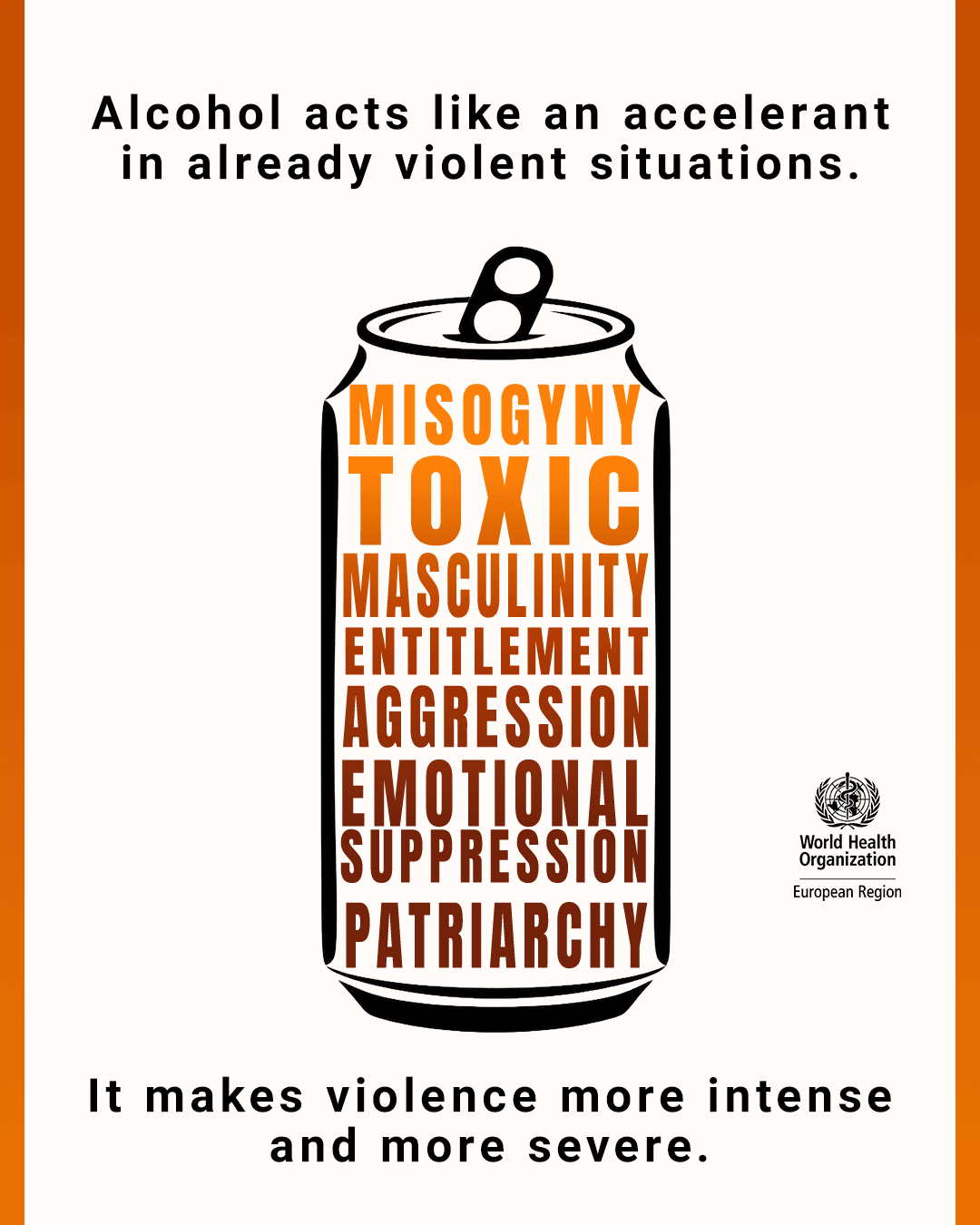
Alcohol acts like an accelerant in already dangerous situations. It makes violence more intense and more severe.
Loading...
We use cookies to analyse site usage and improve your experience. For more information on how we use cookies, please see our Terms of Use and Privacy Policy .
WHO/Europe | Campaign for the 16 Days of Activism against Gender-Based Violence | 25 November - 10 December 2026
WHO/Europe's 2026 Campaign highlights how effective alcohol policies can contribute to preventing violence and creating safer environments for women and girls, alongside a comprehensive approach addressing gender inequality, harmful social norms and other drivers.
The campaign was developed with researchers and prevention experts, and the resultant messages and visuals were subsequently reviewed through two rounds of consultation with 16 women with lived experience of violence. Their feedback informed concrete changes to the campaign's language and visuals, helping to better reflect the complex realities of abuse.
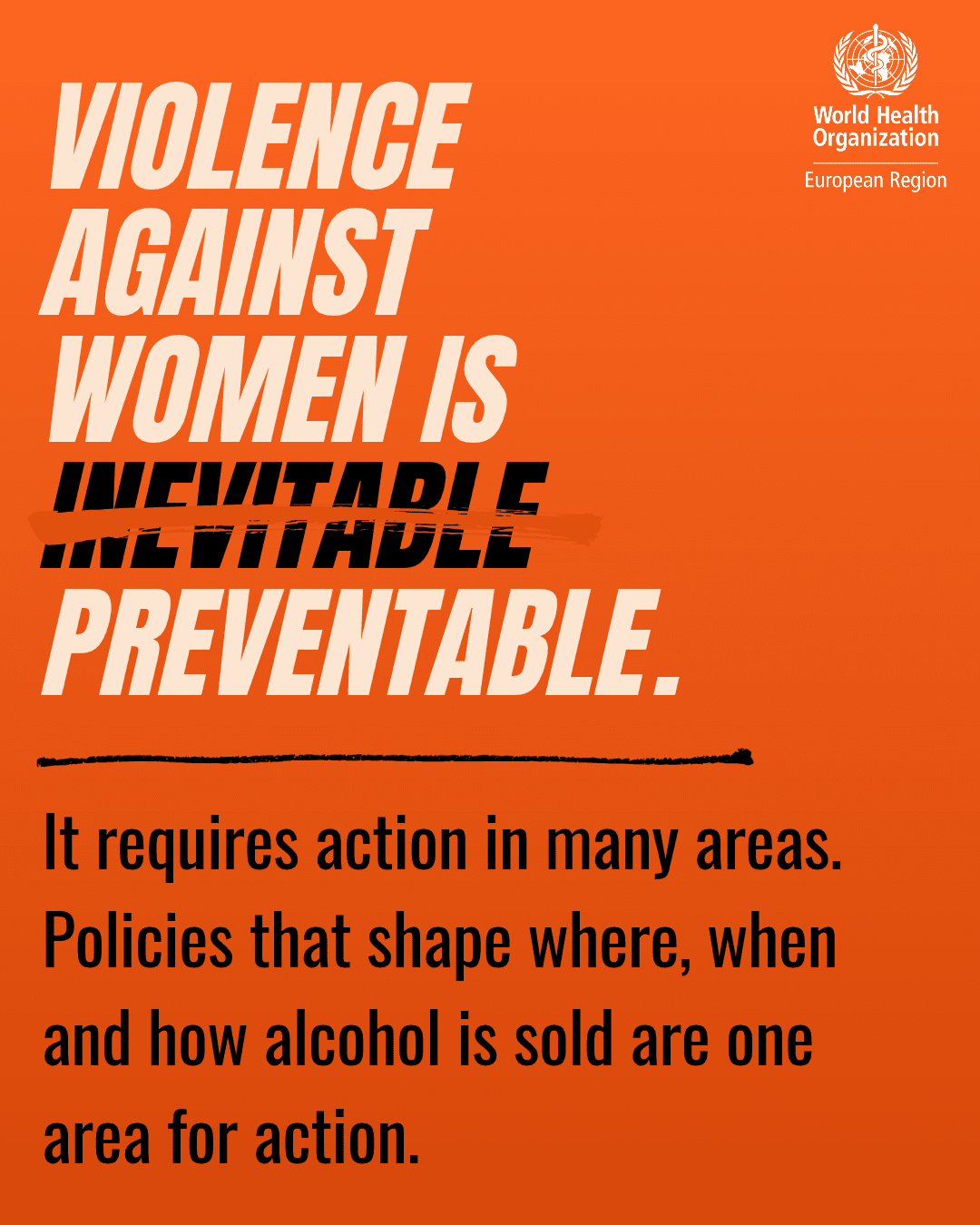
As part of the 16 Days of Activism against Gender-Based Violence, WHO/Europe and Eurocare are bringing together researchers, Members of the European Parliament and representatives of the European Commission for an online discussion on alcohol and Violence Against Women. The webinar will:
1 December 2026 | 13:00–14:20 CET
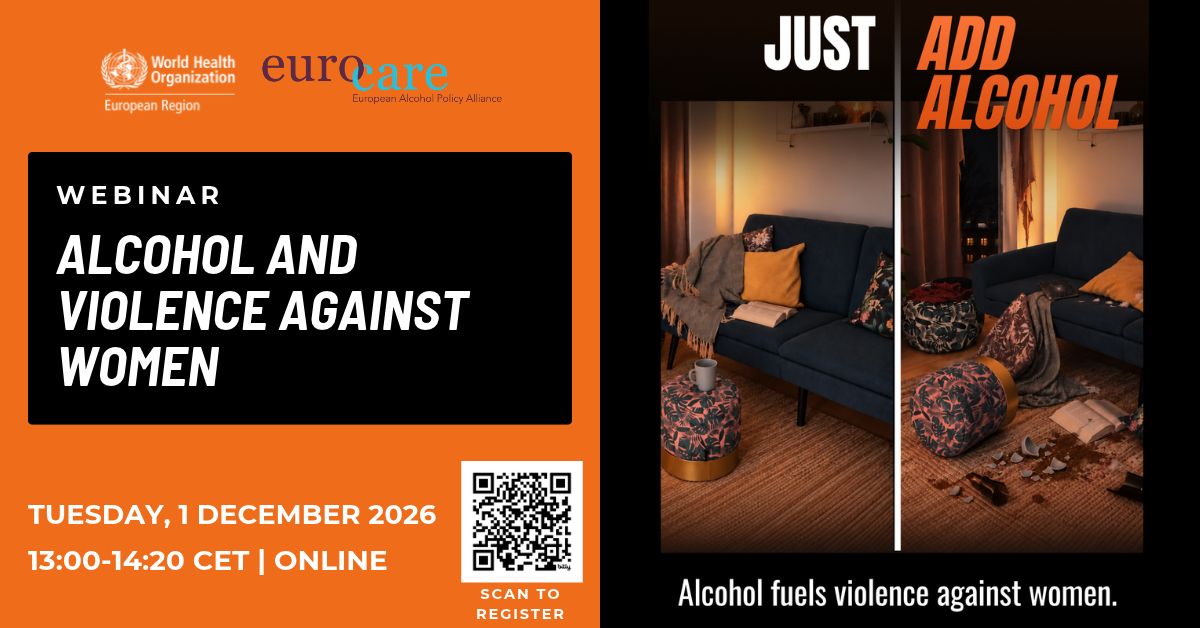
Violence Against Women is a violation of fundamental human rights and a major public health concern. The United Nations defines Violence Against Women as:
any act of gender-based violence that results in, or is likely to result in, physical, sexual, or mental harm or suffering to women, including threats of such acts, coercion or arbitrary deprivation of liberty, whether occurring in public or in private life.
Violence Against Women can take many forms, including psychological abuse, coercive control, physical violence and sexual coercion. Within intimate relationships, these forms of abuse may coexist, creating an environment of deep fear and insecurity.
Violence Against Women is rooted in gender inequality, unequal power relations and harmful social norms that perpetuate discrimination and control over women. These underlying drivers interact with risk factors at individual, relationship, community and societal levels. Alcohol use can reinforce these dynamics and increase the risk and severity of violence, particularly in contexts where norms condone dominance, coercion and aggression.
Violence Against Women has many ingredients. Alcohol is one of them.
Alcohol acts like an accelerant in already dangerous situations. It makes violence more intense and more severe.
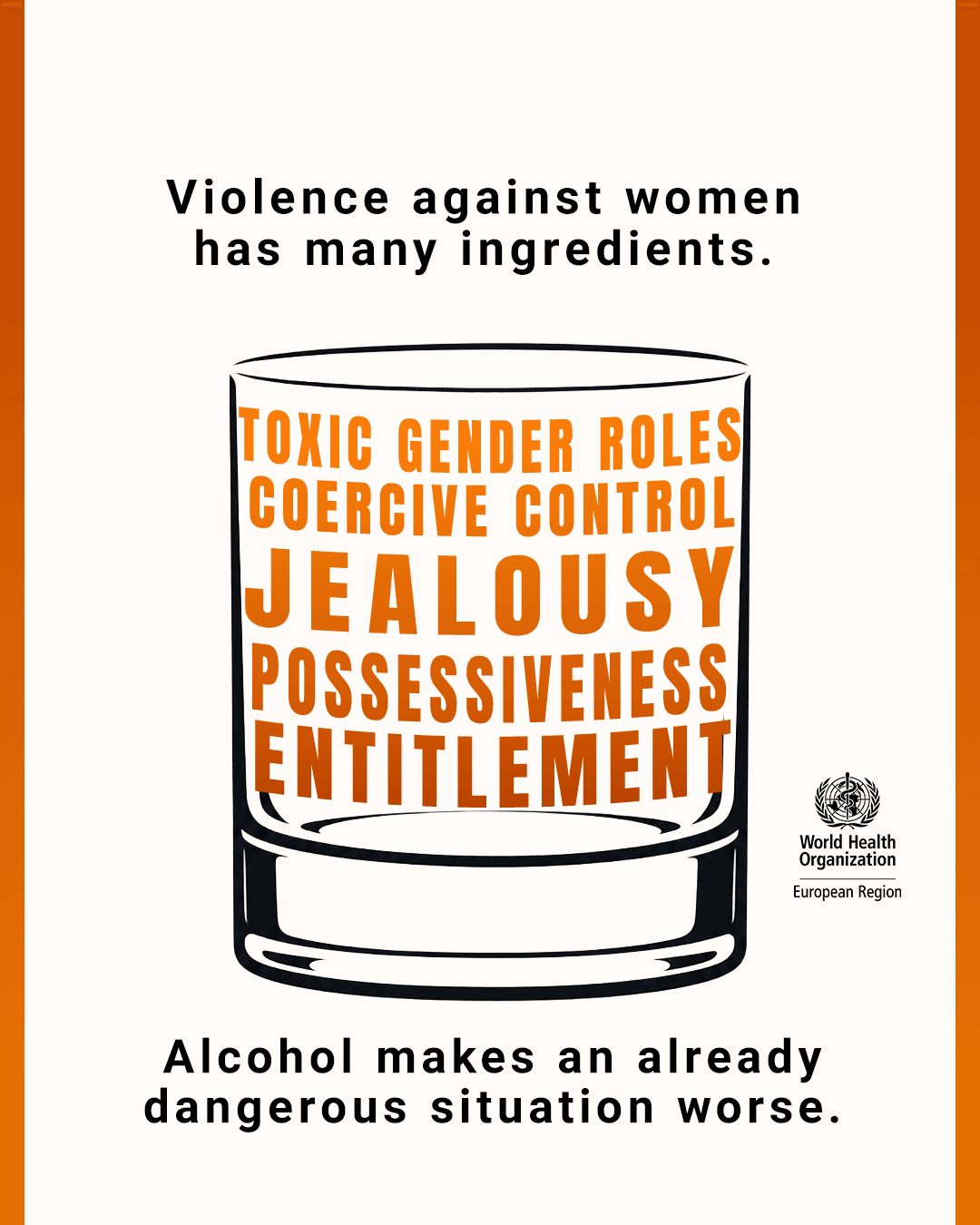
Violence against women has many ingredients. Alcohol makes an already dangerous situation worse.
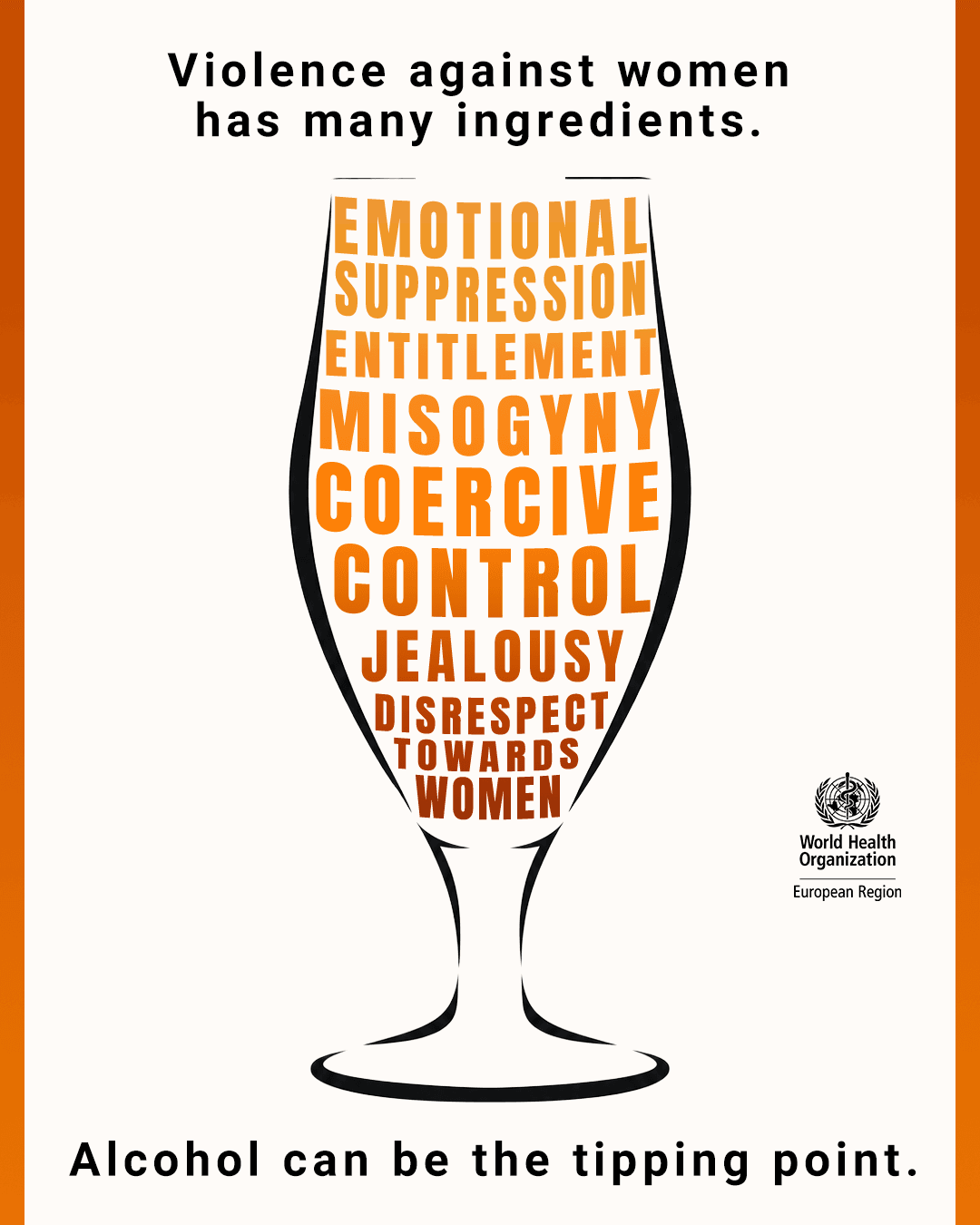
Violence against women has many ingredients. Alcohol can be the tipping point.
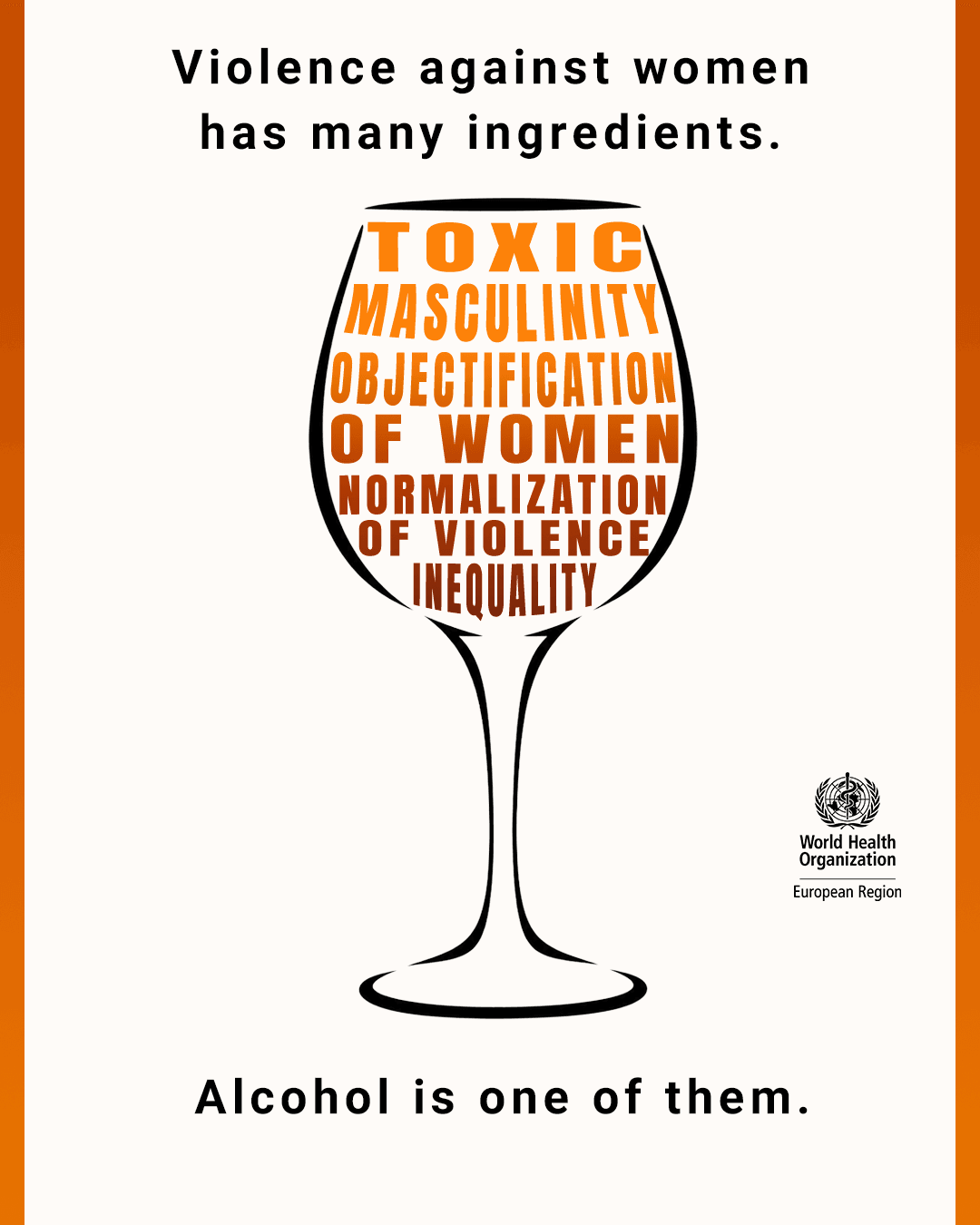
Violence against women has many ingredients. Alcohol is one of them.
Men's alcohol use is an important, modifiable risk factor for Violence Against Women, particularly intimate partner violence.
Alcohol consumption can impair judgement and self-control, potentially increasing the likelihood of aggression and escalation in already abusive situations. [1],[2]
Qualitative research involving women who have experienced alcohol-related intimate partner violence describes cycles of fear, uncertainty and escalating abuse associated with a partner's drinking. Alcohol can make an already dangerous situation more severe. [3],[4]
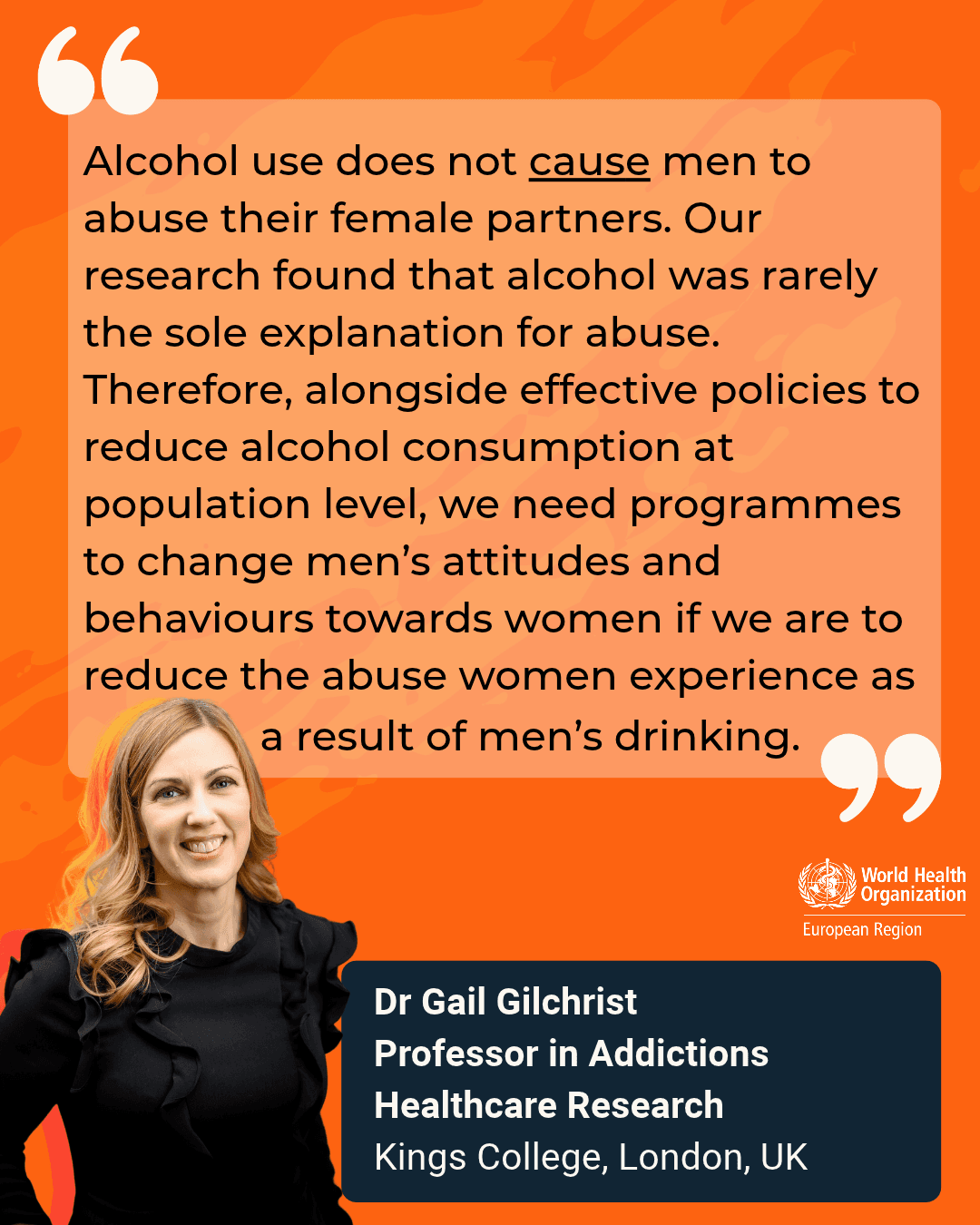
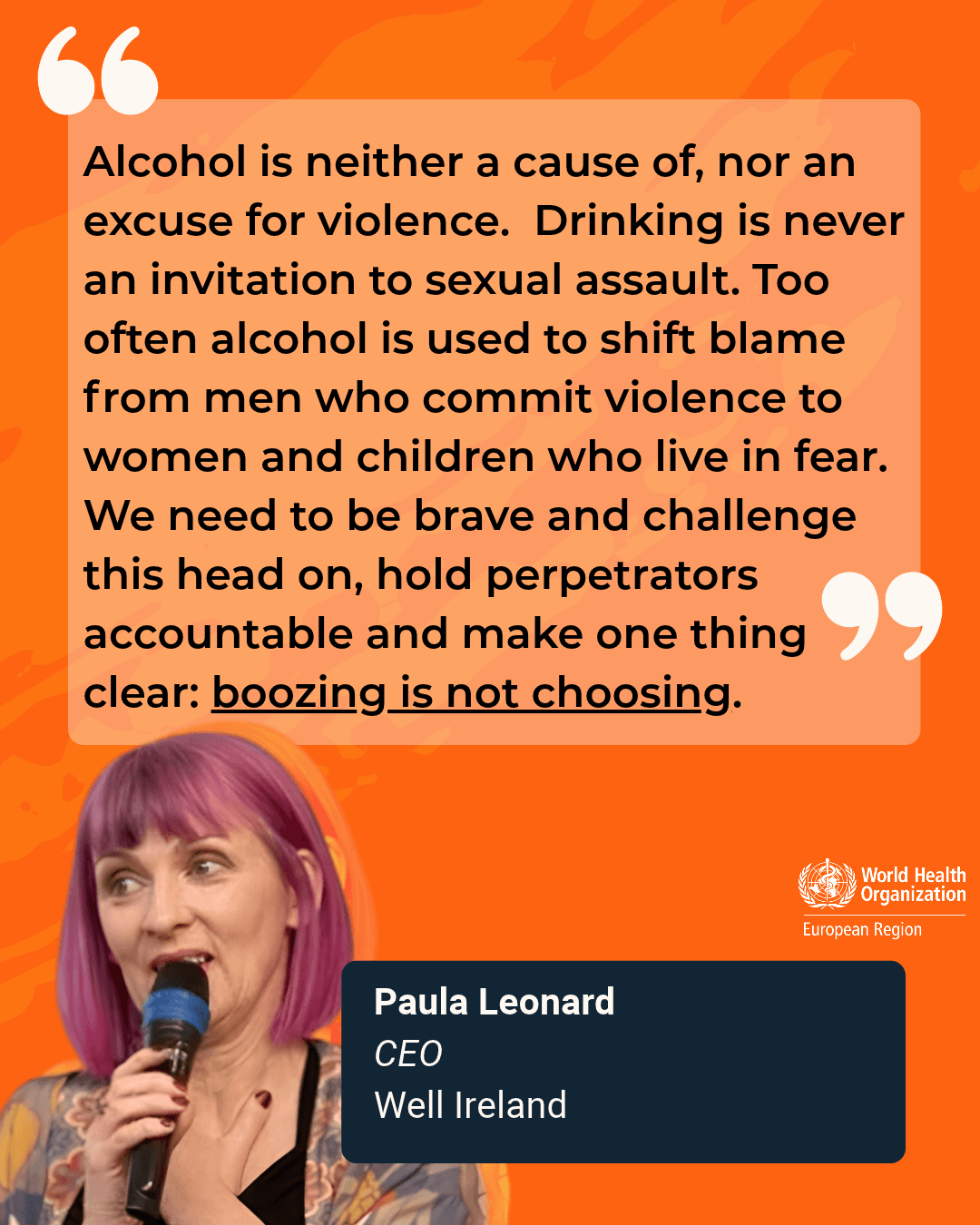
Alcohol is never an excuse for violence. Responsibility always lies with the perpetrator.

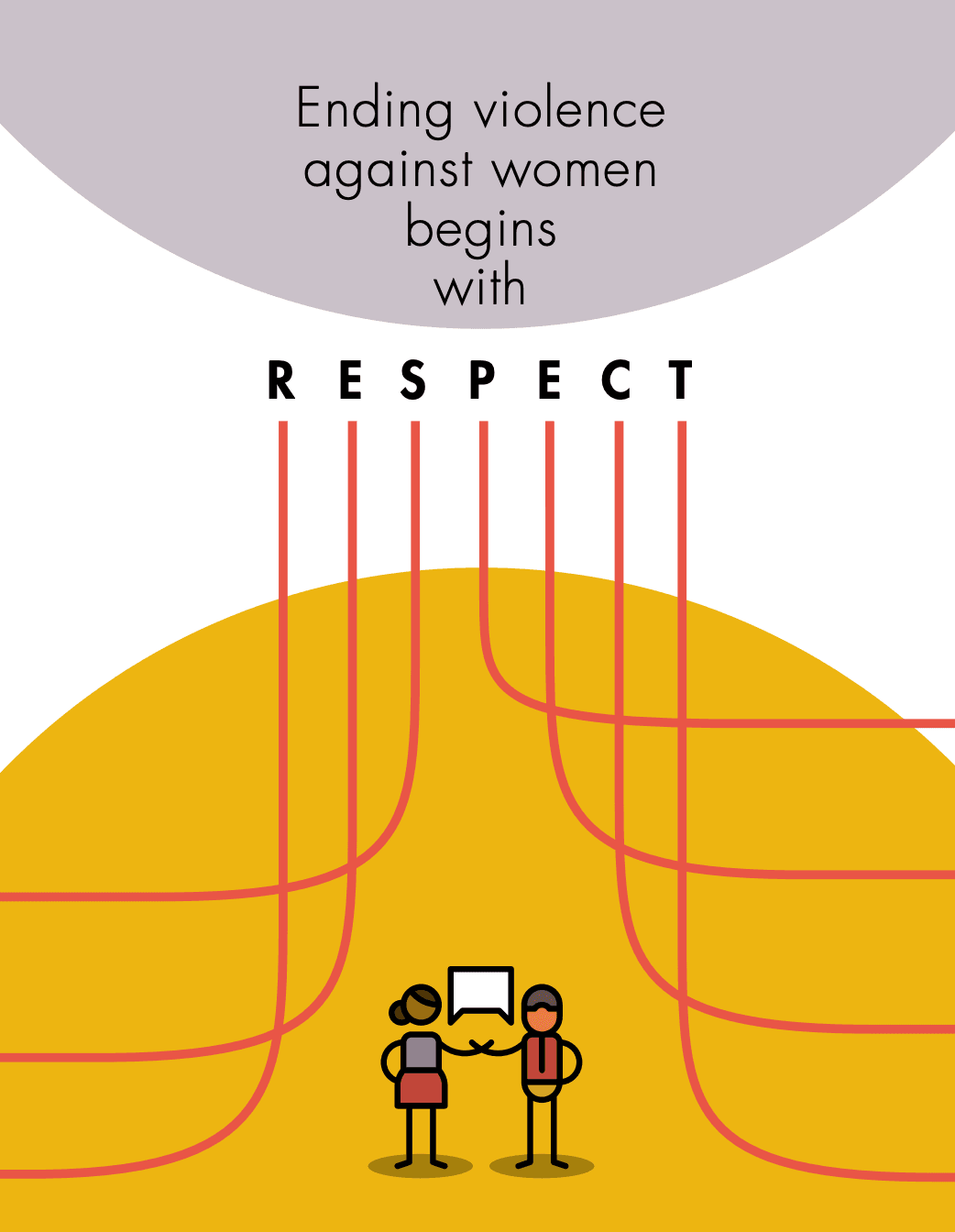
Connecting with RESPECT women
The RESPECT women framework identifies men's alcohol use as a risk factor for perpetrating intimate partner violence and alcohol availability as a community-level risk factor. It also recognises reduced access and availability to alcohol as protective factors.
Developed by the WHO and UN Women, in collaboration with ten other UN, bilateral, and multilateral agencies, the RESPECT women framework brings together seven strategies to prevent violence against women outlined in the word "respect":
To support implementation, the RESPECT women implementation package provides practical guidance and tools for policymakers and practitioners to design, adapt, implement, monitor and evaluate violence prevention programmes.
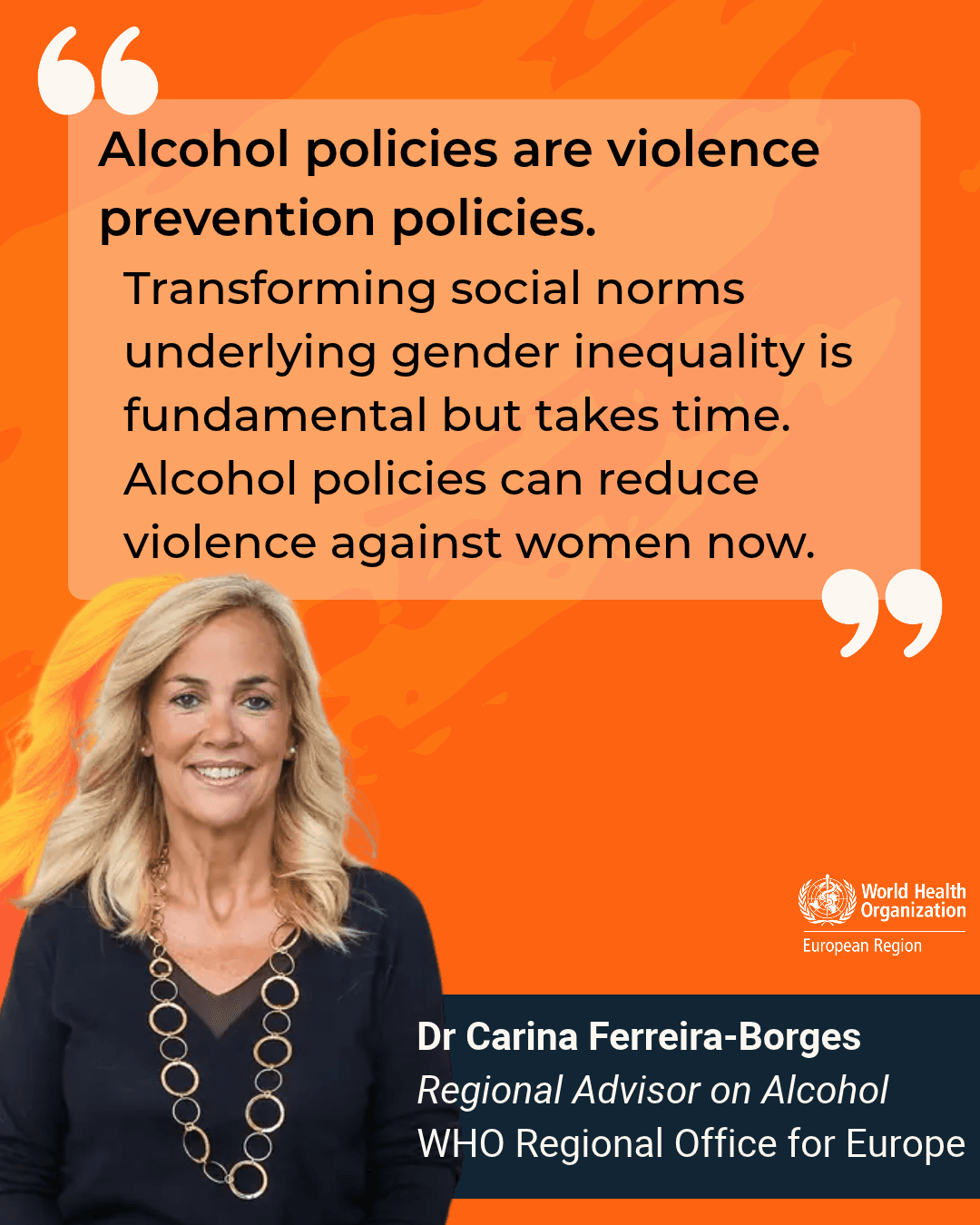
Preventing Violence Against Women requires political commitment and action across diverse areas - public health, justice and social services, women's rights organisations - to promote gender equality, challenge harmful social norms, support survivors and ensure perpetrator accountability.
Evidence-based alcohol policies can complement these efforts by addressing a modifiable risk factor for violence.
How easily alcohol can be purchased matters. The number and location of alcohol outlets, how many days they are open, their opening and closing hours, alcohol affordability and other factors influencing availability can shape consumption patterns and alcohol-related harm.
Measures that regulate where, when and how alcohol is sold, alongside effective pricing and comprehensive marketing policies, can help reduce these risks and contribute to safer communities.
Preventing alcohol-related harm and addressing the underlying drivers of violence are complementary approaches.
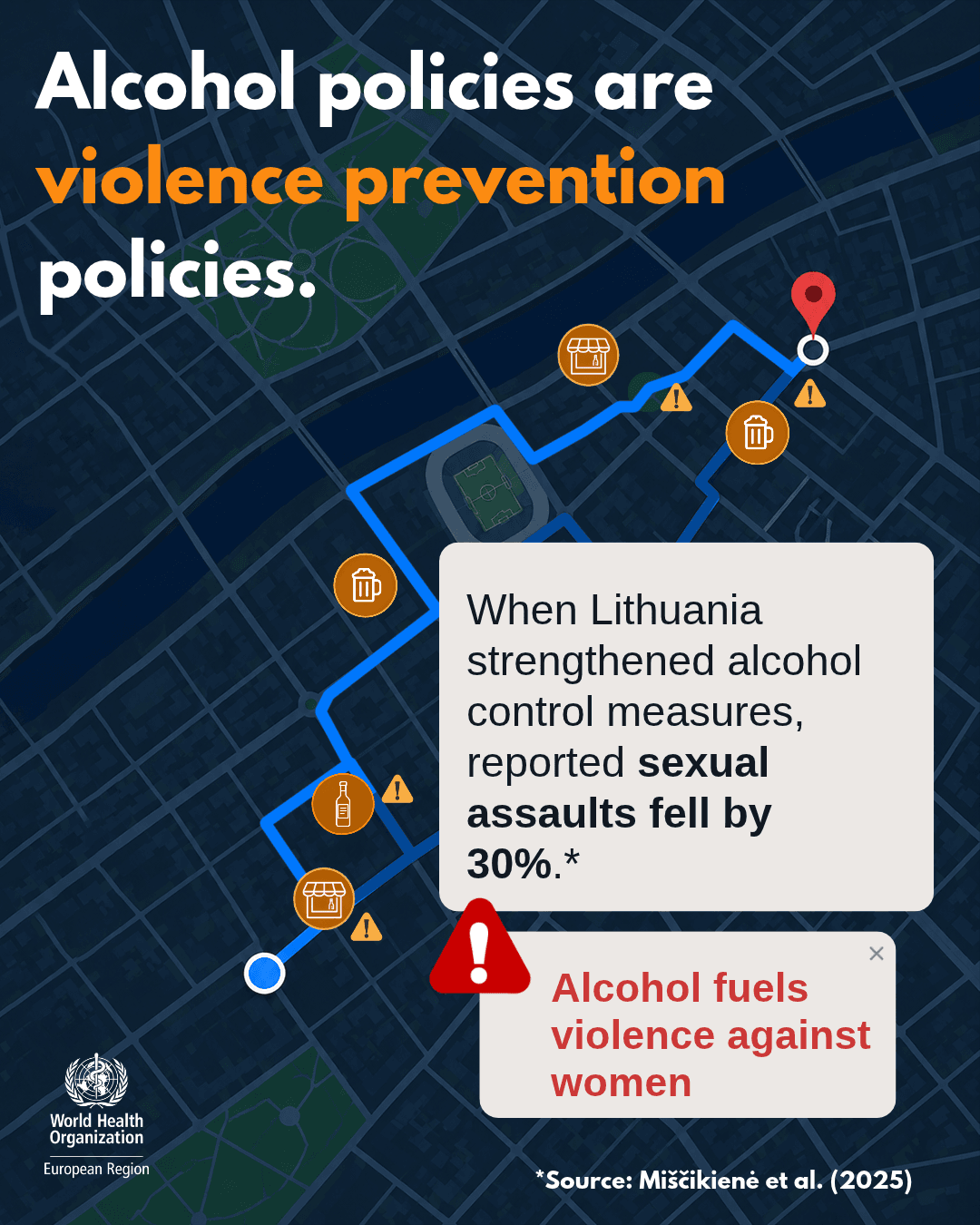
Research from different countries illustrates how alcohol policies can contribute to preventing Violence Against Women.
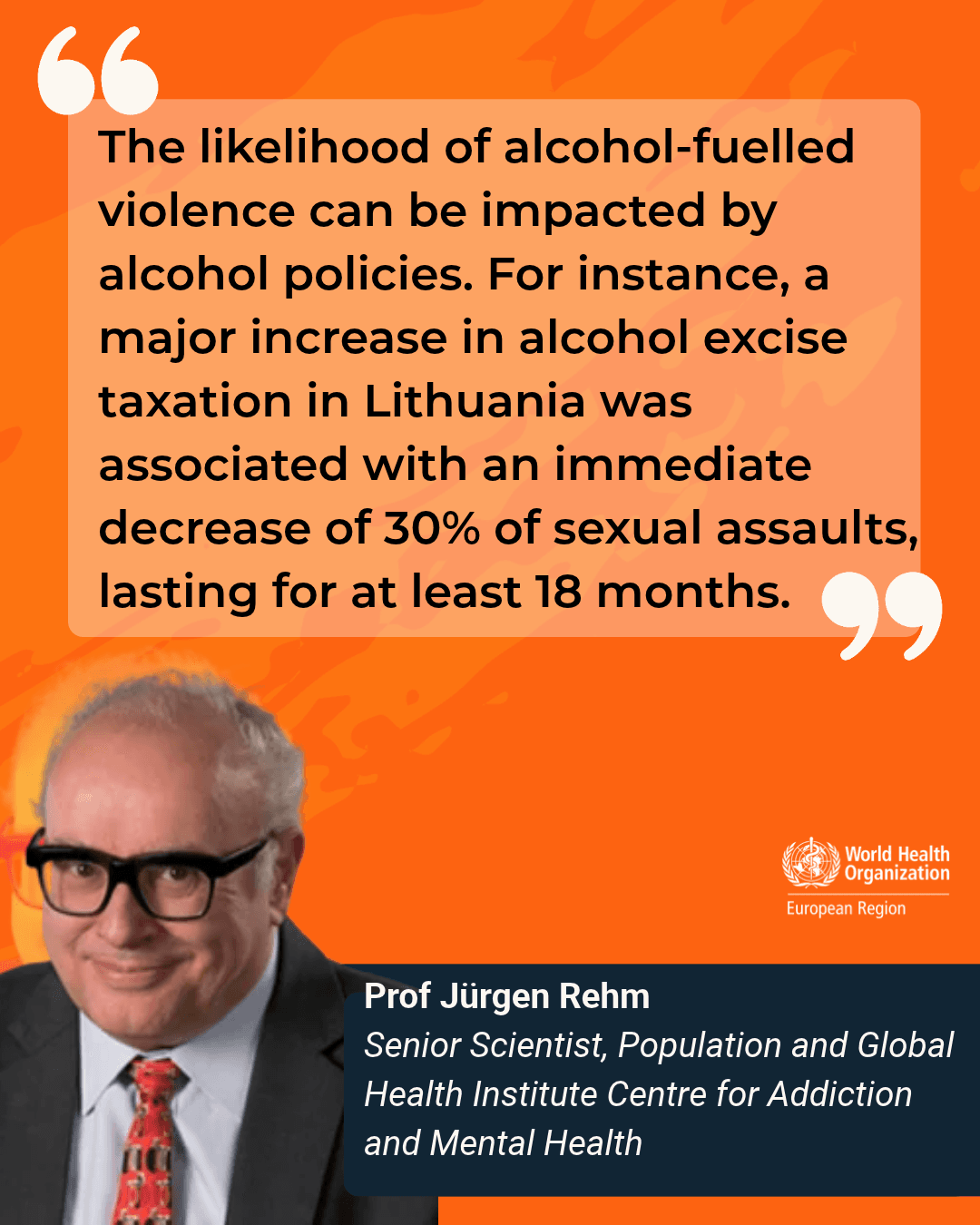
An interrupted time-series study found that the alcohol control measures introduced in Lithuania in 2017, including a substantial increase in alcohol excise taxation, were associated with a 29.9% reduction in reported sexual assaults.
Source: Miščikienė et al. (2025)
In Newcastle, New South Wales, restrictions on late-night alcohol trading were associated with a 29% reduction in police-recorded domestic violence assaults.
Source: Kowalski et al. (2023)
During the COVID-19 pandemic, periods of complete alcohol sales bans coincided with significantly fewer femicides, including intimate partner femicides.
Alcohol sales bans were implemented alongside COVID-19 movement restrictions. Therefore, the observed reduction in femicides cannot be attributed to alcohol restrictions alone.
Source: Abrahams et al. (2025)
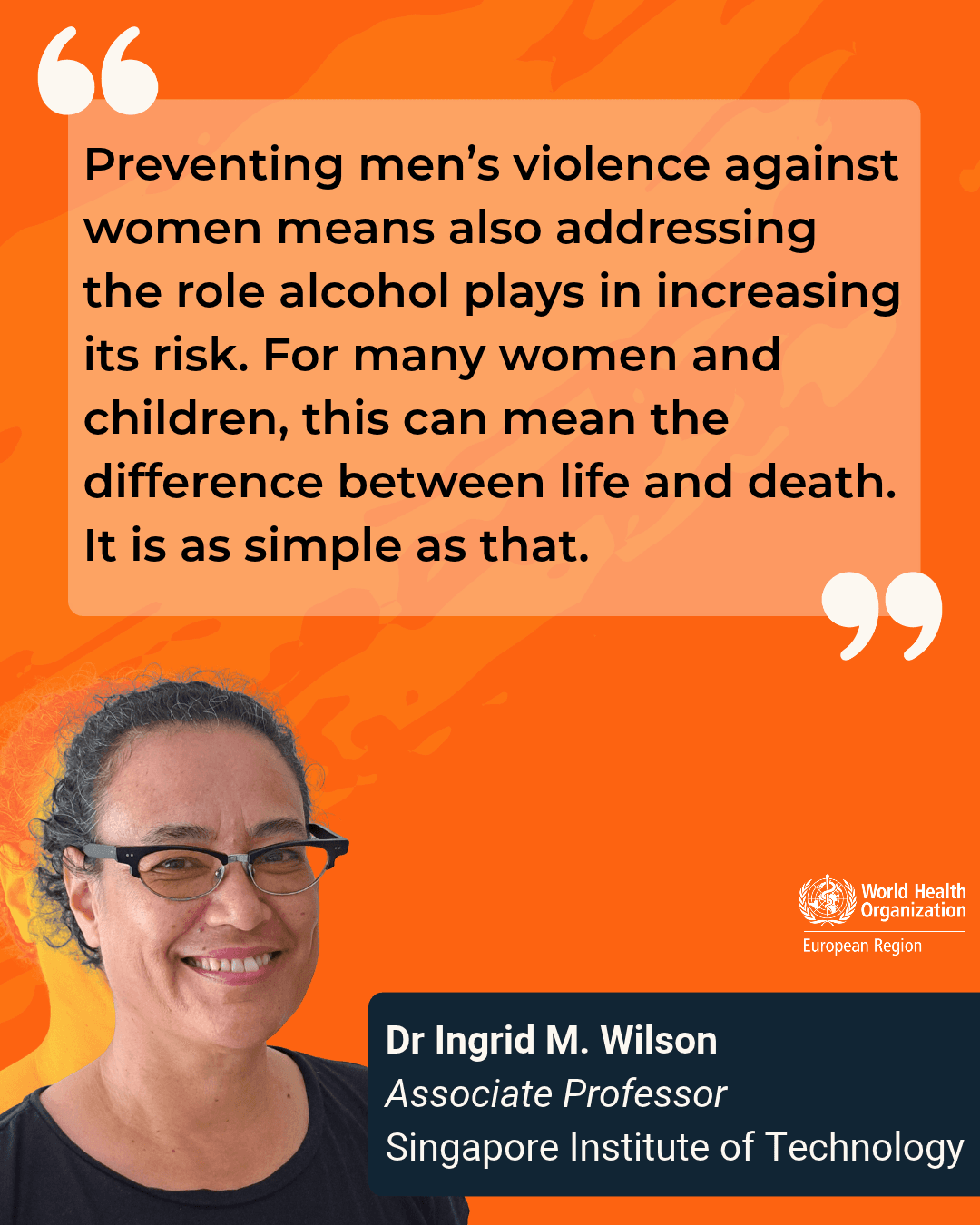
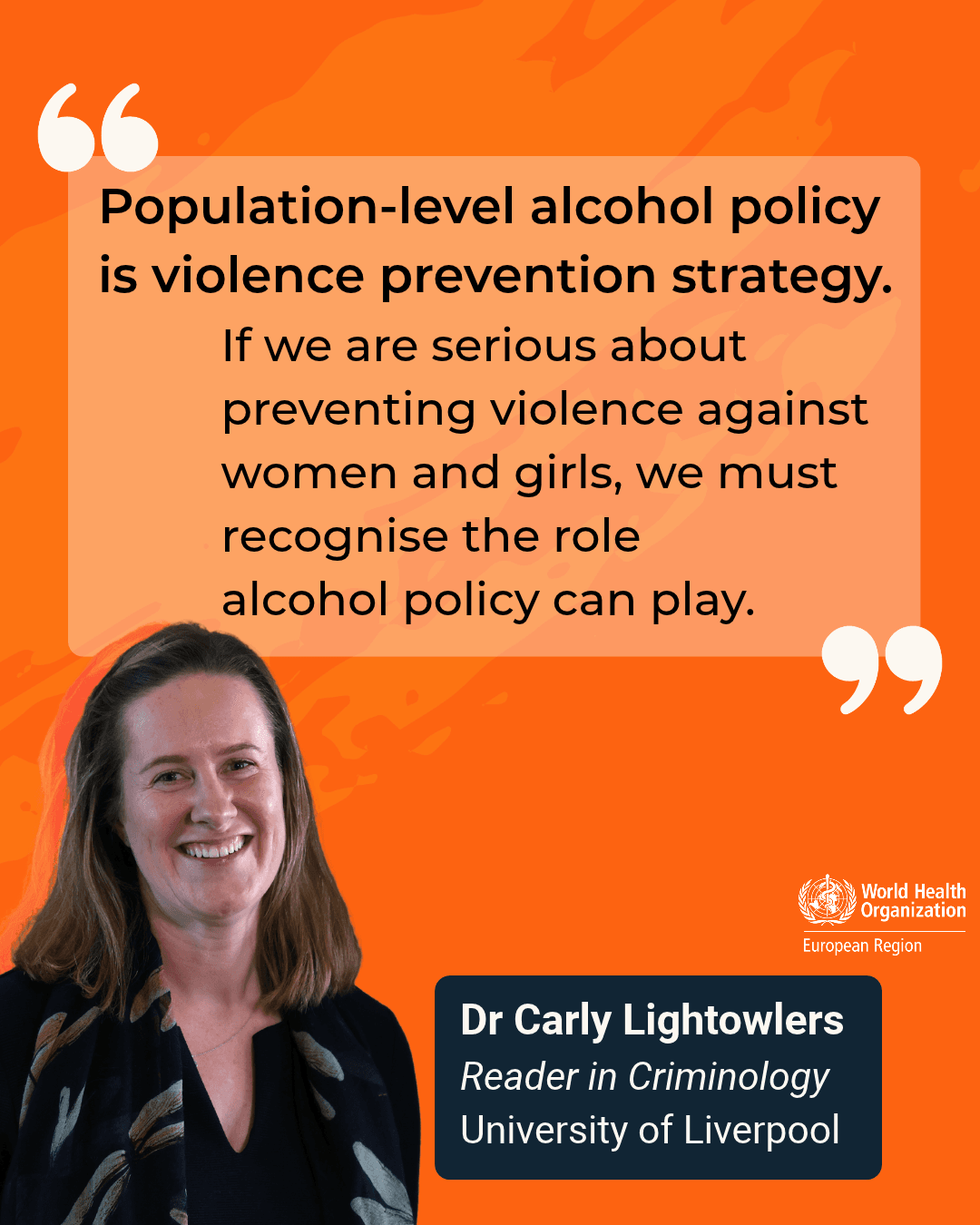
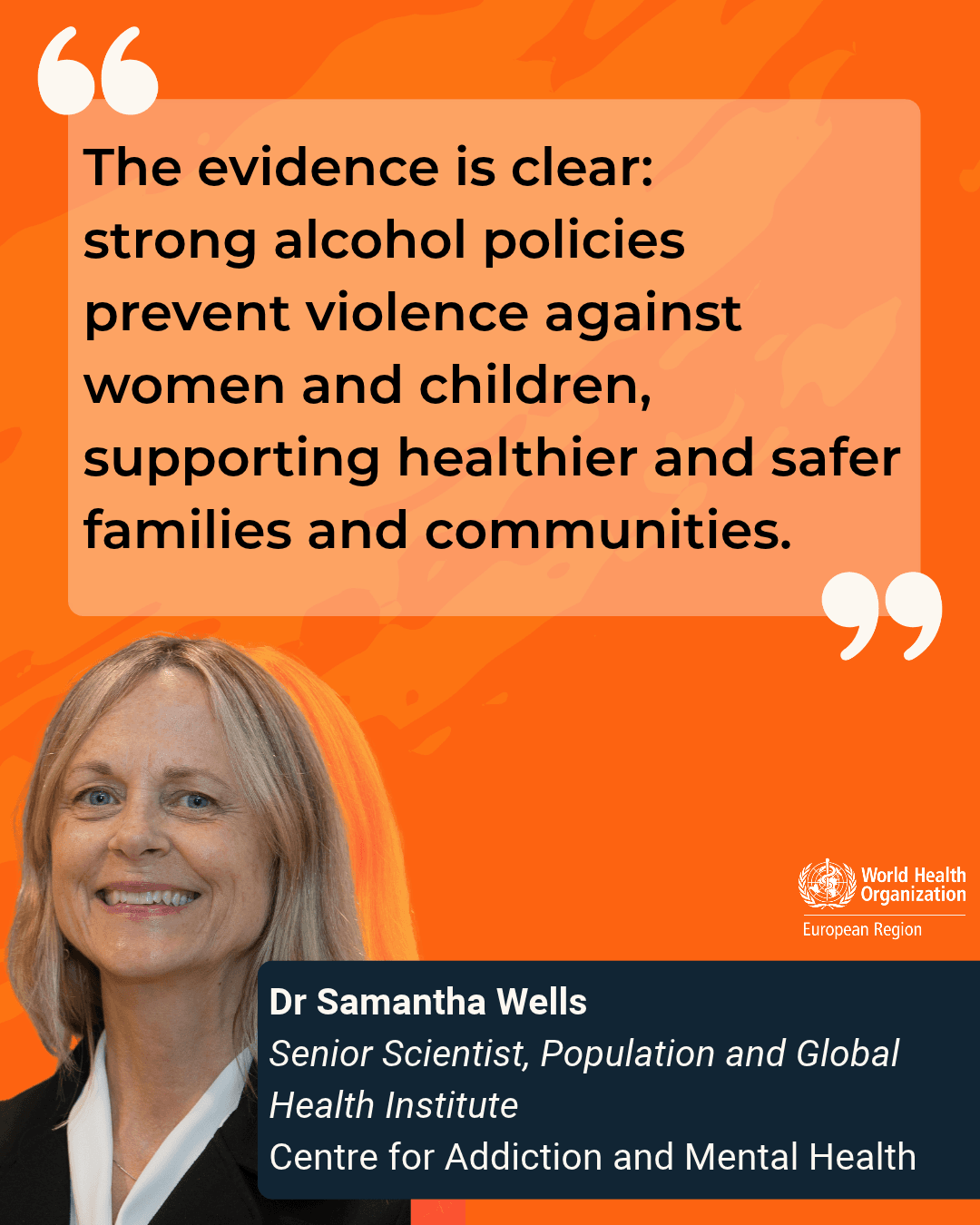
Researchers, polycimakers and advocates share why preventing Violence Against Women requires action on both its underlying drivers and the risks associated with alcohol.
Help spread the message.
Share a campaign visual or your own message on social media, and tag WHO/Europe to help bring alcohol policy into the conversation on Violence Against Women prevention.
Explore selected WHO and UN resources and peer-reviewed research underpinning the campaign's messages on alcohol, Violence Against omen and evidence-based prevention.
The Sustainable Development Goals (SDGs) aim to transform our world. They are a call to action to end poverty and inequality, protect the planet, and ensure that all people enjoy health, justice and prosperity. It is critical that no one is left behind. In 2015, all the countries in the United Nations adopted the 2030 Agenda for Sustainable Development. It sets out 17 Goals, which include 169 targets. These wide-ranging and ambitious Goals interconnect. SDG 3 is to ensure healthy lives and promote well-being for all at all ages. It has 13 targets measured through 26 indicators. However, a person’s health and well-being are affected not only by disease and treatment, but also by social and economic factors such as housing, poverty and education. Health targets can therefore also be found across the other SDGs. This fact sheet shows how alcohol consumption undermines commitments to achieve 13 of the 17 SDGs, impacting on a range of health-related indicators, such as child health, infectious diseases and road injuries as well as much broader range of indicators related to economic and social development, environment and equality. The inclusion of a specific target on harmful use of alcohol (SDG 3.5: strengthen the prevention and treatment of substance abuse, including narcotic drug abuse and harmful use of alcohol) into the SDGs demonstrates the key role of alcohol within the global development agenda. The factsheet highlights positive examples of Member States’ experiences. It provides a short overview of the most cost-effective and feasible policy recommendations to reduce alcohol consumption and alcohol-attributable burden in the WHO European Region, in line with the European Action Plan to Reduce the Harmful Use of Alcohol. It also suggests some important resources for Member States. This factsheet was launched as part of the European Awareness Week on Alcohol Related Harm 2020.
Alcohol is a major preventable cause of injury worldwide and contributes substantially to mortality in the WHO European Region, which has the highest alcohol consumption levels globally. In 2019 alcohol caused almost 145 000 injury deaths, or 31.1% of all injury deaths in the Region. The greatest contributors were self-harm (about 43 650 deaths), road injuries (about 24 000 deaths) and falls (about 19 600 deaths). Heavy episodic drinking, which is widespread in the Region, sharply increases the risk of unintentional injuries such as traffic injuries, falls and drownings, as well as intentional injuries such self-harm and interpersonal violence. Men account for most alcoholattributable injury deaths because they drink more frequently, consume larger quantities and are more likely to have alcohol use disorders. Harms to others, particularly to women and children, include intimate partner violence, neglect, and other forms of physical and emotional harm. Young people face elevated risks because of the way alcohol contributes to risky behaviours and injury burden. Country-specific injury data are presented in a separate web annex. Despite progress in reducing alcohol consumption since 2000, large east–west inequalities persist, reflecting differences in drinking patterns. Evidence-based measures such as raising excise taxes, reducing the availability of retailed alcohol, limiting marketing, strengthening drink–driving measures, and expanding screening and brief interventions can significantly reduce alcohol-attributable harm and prevent avoidable deaths.
The Sustainable Development Goals (SDGs) aim to transform our world. They are a call to action to end poverty and inequality, protect the planet, and ensure that all people enjoy health, justice and prosperity. It is critical that no one is left behind. In 2015, all the countries in the United Nations adopted the 2030 Agenda for Sustainable Development. It sets out 17 Goals, which include 169 targets. These wide-ranging and ambitious Goals interconnect. SDG 3 is to ensure healthy lives and promote well-being for all at all ages. It has 13 targets measured through 26 indicators. However, a person’s health and well-being are affected not only by disease and treatment, but also by social and economic factors such as housing, poverty and education. Health targets can therefore also be found across the other SDGs. The fact sheets, which include essential facts and figures and identify the challenges, commitments and progress made on each key topic, are a valuable source of information for policy-makers. Interpersonal violence is an increasingly serious threat to the attainment of the SDGs, particularly those targeting health and well-being, gender equality and peace and justice. Action is necessary across all sectors and settings to prevent and respond to interpersonal violence and to alleviate the impacts on current and future generations. Addressing risk factors across the SDGs provides a strong opportunity to tackle some of the main causes of interpersonal violence.
The European Region of the World Health Organization (WHO) has the highest per capita levels of alcohol consumption in the world. Drinking patterns and levels of interpersonal violence (such as homicide) vary widely throughout the Region. However, across all of Europe, health and criminal justice studies increasingly highlight the role of alcohol consumption in people becoming victims of violence and perpetrators of violence. This policy brief presents the magnitude of the problem, and outlines a range of factors which can increase individuals' risks of problems related to alcohol and violence. It presents examples of successful intervention which prevent and/or reduce levels of violence associated with alcohol and highlights the key role of health services. By presenting the challenges alcohol and interpersonal violence continue to place on public health, individuals and communities, judicial and other public services the paper makes a strong point for concerted and coordinated action on the reduction of alcohol and interpersonal violence in the European region
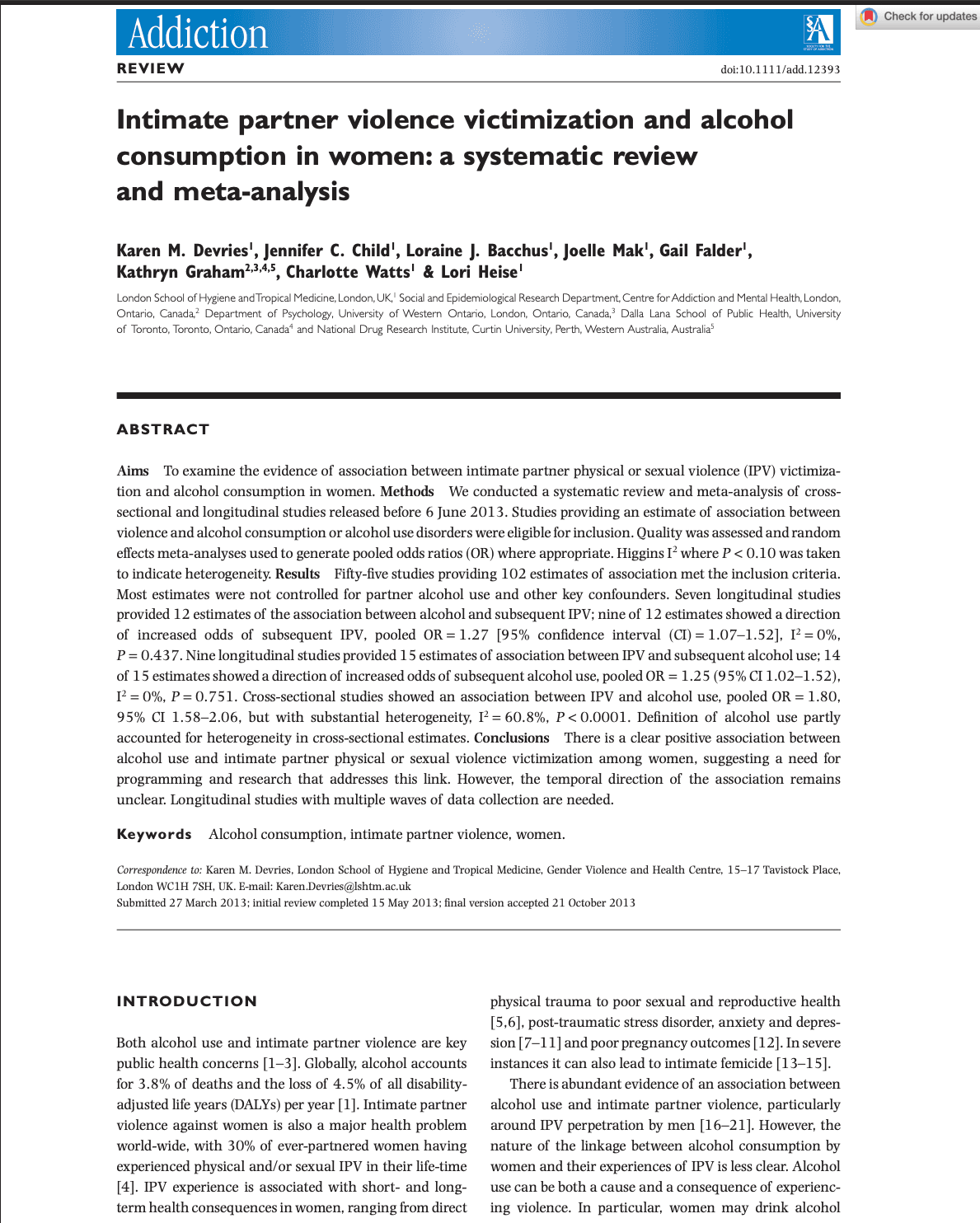
Aims To examine the evidence of association between intimate partner physical or sexual violence (IPV) victimiza-tion and alcohol consumption in women. Methods We conducted a systematic review and meta-analysis of cross-sectional and longitudinal studies released before 6 June 2013. Studies providing an estimate of association betweenviolence and alcohol consumption or alcohol use disorders were eligible for inclusion. Quality was assessed and randomeffects meta-analyses used to generate pooled odds ratios (OR) where appropriate. Higgins I2 where P < 0.10 was takento indicate heterogeneity. Results Fifty-five studies providing 102 estimates of association met the inclusion criteria.Most estimates were not controlled for partner alcohol use and other key confounders. Seven longitudinal studiesprovided 12 estimates of the association between alcohol and subsequent IPV; nine of 12 estimates showed a directionof increased odds of subsequent IPV, pooled OR = 1.27 [95% confidence interval (CI) = 1.07–1.52], I2 = 0%,P = 0.437. Nine longitudinal studies provided 15 estimates of association between IPV and subsequent alcohol use; 14of 15 estimates showed a direction of increased odds of subsequent alcohol use, pooled OR = 1.25 (95% CI 1.02–1.52),I 2 = 0%, P = 0.751. Cross-sectional studies showed an association between IPV and alcohol use, pooled OR = 1.80,95% CI 1.58–2.06, but with substantial heterogeneity, I2 = 60.8%, P < 0.0001. Definition of alcohol use partlyaccounted for heterogeneity in cross-sectional estimates. Conclusions There is a clear positive association betweenalcohol use and intimate partner physical or sexual violence victimization among women, suggesting a need forprogramming and research that addresses this link. However, the temporal direction of the association remainsunclear. Longitudinal studies with multiple waves of data collection are needed.
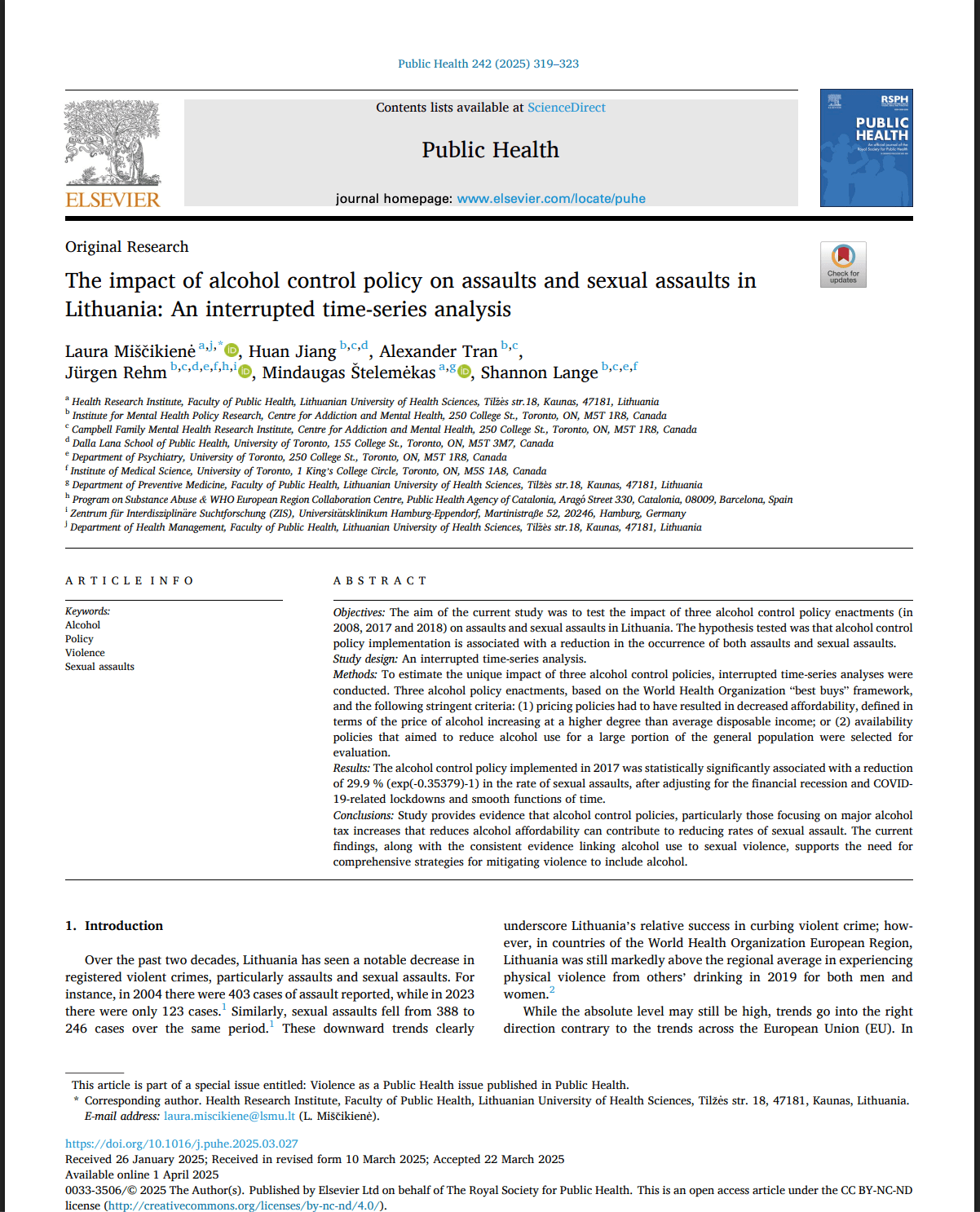
Abstract: Objectives: The aim of the current study was to test the impact of three alcohol control policy enactments (in 2008, 2017 and 2018) on assaults and sexual assaults in Lithuania. The hypothesis tested was that alcohol control policy implementation is associated with a reduction in the occurrence of both assaults and sexual assaults. Study design: An interrupted time-series analysis. Methods: To estimate the unique impact of three alcohol control policies, interrupted time-series analyses were conducted. Three alcohol policy enactments, based on the World Health Organization “best buys” framework, and the following stringent criteria: (1) pricing policies had to have resulted in decreased affordability, defined in terms of the price of alcohol increasing at a higher degree than average disposable income; or (2) availability policies that aimed to reduce alcohol use for a large portion of the general population were selected for evaluation. Results: The alcohol control policy implemented in 2017 was statistically significantly associated with a reduction of 29.9 % (exp(-0.35379)-1) in the rate of sexual assaults, after adjusting for the financial recession and COVID19-related lockdowns and smooth functions of time. Conclusions: Study provides evidence that alcohol control policies, particularly those focusing on major alcohol tax increases that reduces alcohol affordability can contribute to reducing rates of sexual assault. The current findings, along with the consistent evidence linking alcohol use to sexual violence, supports the need for comprehensive strategies for mitigating violence to include alcohol.
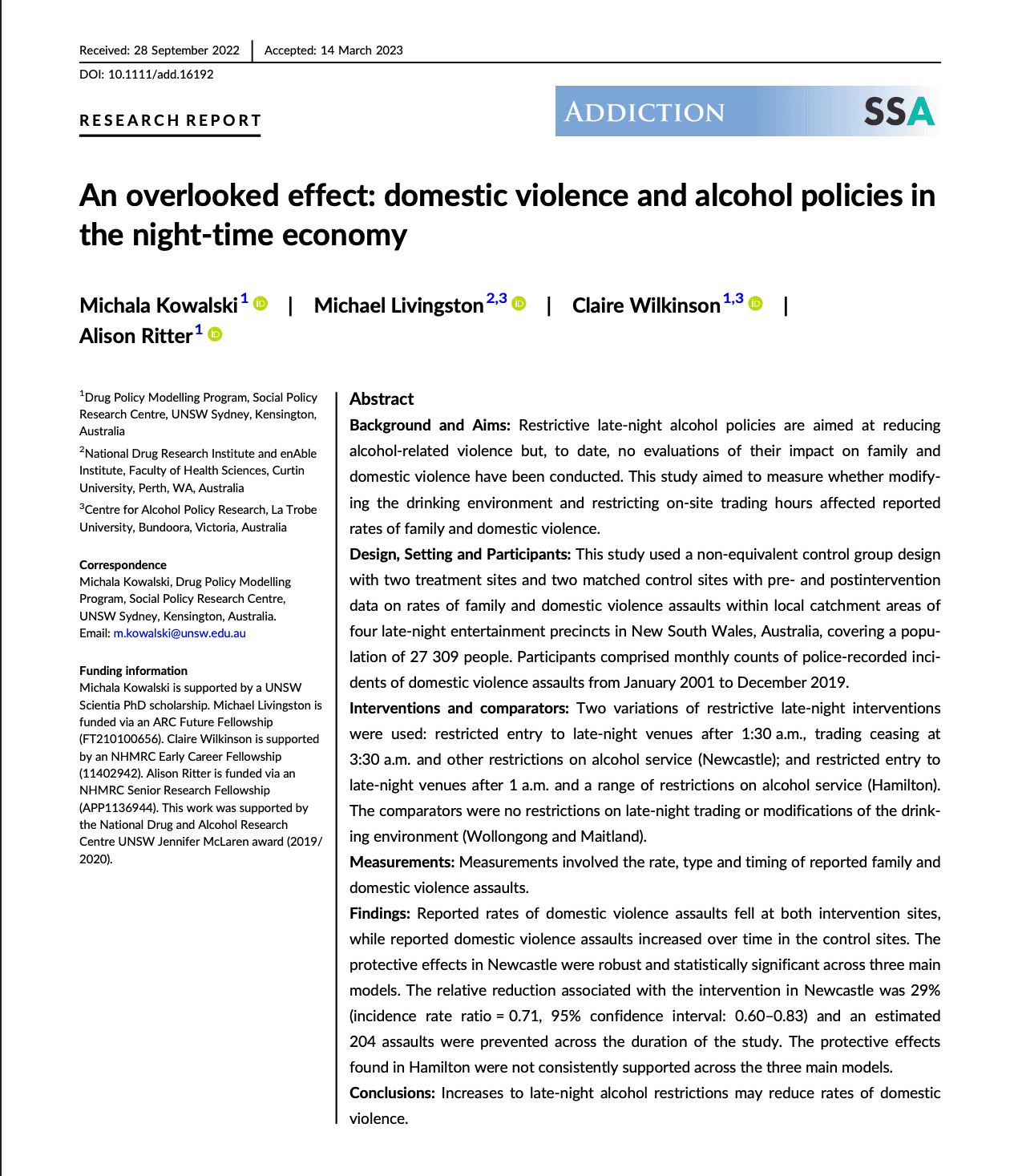
Abstract Background and Aims: Restrictive late-night alcohol policies are aimed at reducing alcohol-related violence but, to date, no evaluations of their impact on family and domestic violence have been conducted. This study aimed to measure whether modifying the drinking environment and restricting on-site trading hours affected reported rates of family and domestic violence. Design, Setting and Participants: This study used a non-equivalent control group design with two treatment sites and two matched control sites with pre- and postintervention data on rates of family and domestic violence assaults within local catchment areas of four late-night entertainment precincts in New South Wales, Australia, covering a population of 27 309 people. Participants comprised monthly counts of police-recorded incidents of domestic violence assaults from January 2001 to December 2019. Interventions and comparators: Two variations of restrictive late-night interventions were used: restricted entry to late-night venues after 1:30 a.m., trading ceasing at 3:30 a.m. and other restrictions on alcohol service (Newcastle); and restricted entry to late-night venues after 1 a.m. and a range of restrictions on alcohol service (Hamilton). The comparators were no restrictions on late-night trading or modifications of the drinking environment (Wollongong and Maitland). Measurements: Measurements involved the rate, type and timing of reported family and domestic violence assaults. Findings: Reported rates of domestic violence assaults fell at both intervention sites, while reported domestic violence assaults increased over time in the control sites. The protective effects in Newcastle were robust and statistically significant across three main models. The relative reduction associated with the intervention in Newcastle was 29% (incidence rate ratio = 0.71, 95% confidence interval: 0.60–0.83) and an estimated 204 assaults were prevented across the duration of the study. The protective effects found in Hamilton were not consistently supported across the three main models. Conclusions: Increases to late-night alcohol restrictions may reduce rates of domestic violence.
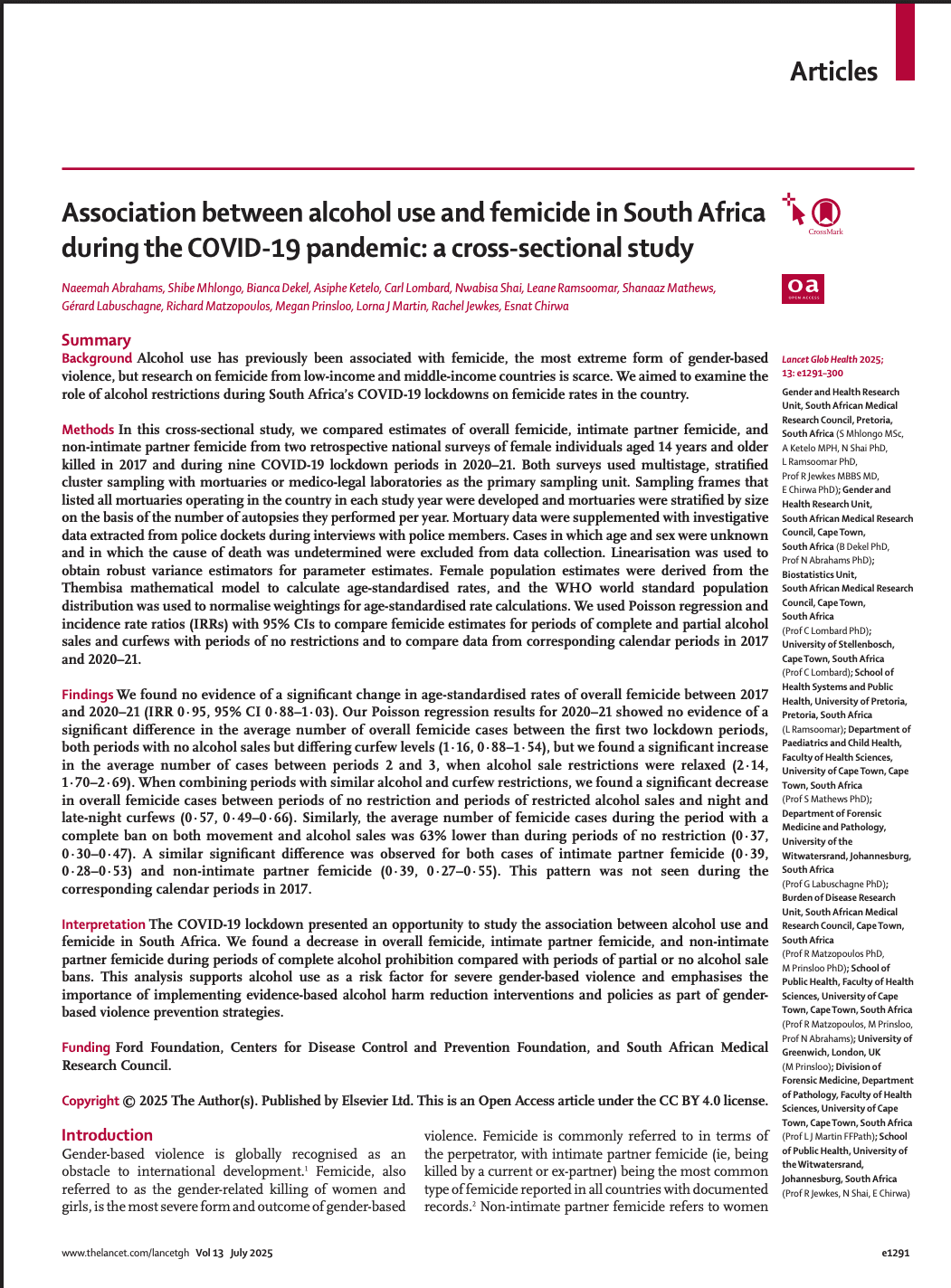
Summary Background Alcohol use has previously been associated with femicide, the most extreme form of gender-based violence, but research on femicide from low-income and middle-income countries is scarce. We aimed to examine the role of alcohol restrictions during South Africa’s COVID-19 lockdowns on femicide rates in the country. Methods In this cross-sectional study, we compared estimates of overall femicide, intimate partner femicide, and non-intimate partner femicide from two retrospective national surveys of female individuals aged 14 years and older killed in 2017 and during nine COVID-19 lockdown periods in 2020–21. Both surveys used multistage, stratified cluster sampling with mortuaries or medico-legal laboratories as the primary sampling unit. Sampling frames that listed all mortuaries operating in the country in each study year were developed and mortuaries were stratified by size on the basis of the number of autopsies they performed per year. Mortuary data were supplemented with investigative data extracted from police dockets during interviews with police members. Cases in which age and sex were unknown and in which the cause of death was undetermined were excluded from data collection. Linearisation was used to obtain robust variance estimators for parameter estimates. Female population estimates were derived from the Thembisa mathematical model to calculate age-standardised rates, and the WHO world standard population distribution was used to normalise weightings for age-standardised rate calculations. We used Poisson regression and incidence rate ratios (IRRs) with 95% CIs to compare femicide estimates for periods of complete and partial alcohol sales and curfews with periods of no restrictions and to compare data from corresponding calendar periods in 2017 and 2020–21. Findings We found no evidence of a significant change in age-standardised rates of overall femicide between 2017 and 2020–21 (IRR 0·95, 95% CI 0·88–1·03). Our Poisson regression results for 2020–21 showed no evidence of a significant difference in the average number of overall femicide cases between the first two lockdown periods, both periods with no alcohol sales but differing curfew levels (1·16, 0·88–1·54), but we found a significant increase in the average number of cases between periods 2 and 3, when alcohol sale restrictions were relaxed (2·14, 1·70–2·69). When combining periods with similar alcohol and curfew restrictions, we found a significant decrease in overall femicide cases between periods of no restriction and periods of restricted alcohol sales and night and late-night curfews (0·57, 0·49–0·66). Similarly, the average number of femicide cases during the period with a complete ban on both movement and alcohol sales was 63% lower than during periods of no restriction (0·37, 0·30–0·47). A similar significant difference was observed for both cases of intimate partner femicide (0·39, 0·28–0·53) and non-intimate partner femicide (0·39, 0·27–0·55). This pattern was not seen during the corresponding calendar periods in 2017. Interpretation The COVID-19 lockdown presented an opportunity to study the association between alcohol use and femicide in South Africa. We found a decrease in overall femicide, intimate partner femicide, and non-intimate partner femicide during periods of complete alcohol prohibition compared with periods of partial or no alcohol sale bans. This analysis supports alcohol use as a risk factor for severe gender-based violence and emphasises the importance of implementing evidence-based alcohol harm reduction interventions and policies as part of genderbased violence prevention strategies
Violence pervades the lives of many people around the world, and touches all of us in some way. To many people, staying out of harm’s way is a matter of locking doors and windows and avoiding dangerous places. To others, escape is not possible. The threat of violence is behind those doors – well hidden from public view. And for those living in the midst of war and conflict, violence permeates every aspect of life. This report, the first comprehensive summary of the problem on a global scale, shows not only the human toll of violence – over 1.6 million lives lost each year and countless more damaged in ways that are not always apparent – but exposes the many faces of interpersonal, collective and self-directed violence, as well as the settings in which violence occurs. It shows that where violence persists, health is seriously compromised. The report also challenges us in many respects. It forces us to reach beyond our notions of what is acceptable and comfortable – to challenge notions that acts of violence are simply matters of family privacy, individual choice, or inevitable facets of life. Violence is a complex problem related to patterns of thought and behaviour that are shaped by a multitude of forces within our families and communities, forces that can also transcend national borders. The report urges us to work with a range of partners and to adopt an approach that is proactive, scientific and comprehensive. We have some of the tools and knowledge to make a difference – the same tools that have successfully been used to tackle other health problems. This is evident throughout the report. And we have a sense of where to apply our knowledge. Violence is often predictable and preventable. Like other health problems, it is not distributed evenly across population groups or settings. Many of the factors that increase the risk of violence are shared across the different types of violence and are modifiable. One theme that is echoed throughout this report is the importance of primary prevention. Even small investments here can have large and long-lasting benefits, but not without the resolve of leaders and support for prevention efforts from a broad array of partners in both the public and private spheres, and from both industrialized and developing countries. Public health has made some remarkable achievements in recent decades, particularly with regard to reducing rates of many childhood diseases. However, saving our children from these diseases only to let them fall victim to violence or lose them later to acts of violence between intimate partners, to the savagery of war and conflict, or to self-inflicted injuries or suicide, would be a failure of public health. While public health does not offer all of the answers to this complex problem, we are determined to play our role in the prevention of violence worldwide. This report will contribute to shaping the global response to violence and to making the world a safer and healthier place for all. I invite you to read the report carefully, and to join me and the many violence prevention experts from around the world who have contributed to it in implementing its vital call for action.